A space devoted to watercolor & drawing.
Museo Acuera y Dibujo is a digital home for an institution dedicated to the study, exhibition, and care of works on paper — from delicate watercolors to graphite studies.
Explore the museum →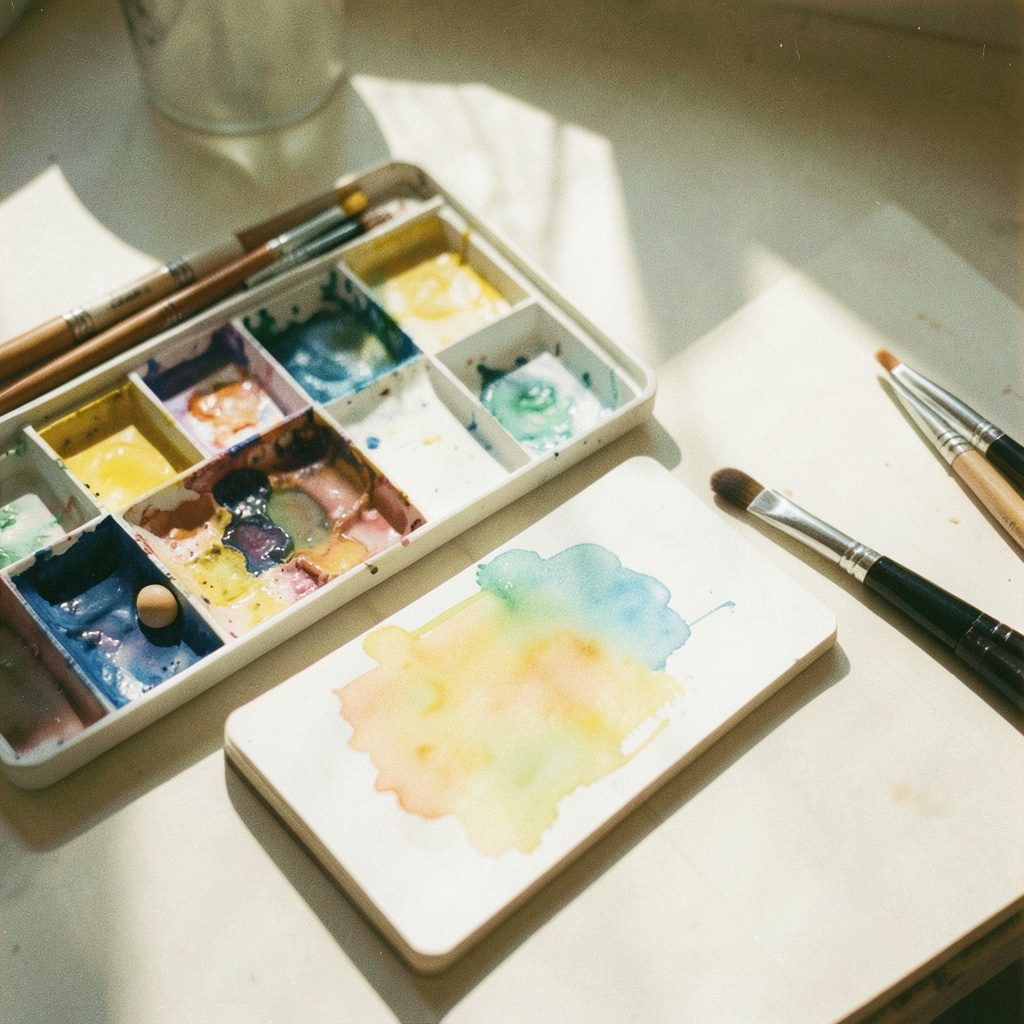
Curated areas of focus
The museum's holdings are organized around a few core practices in watercolor and drawing.
-
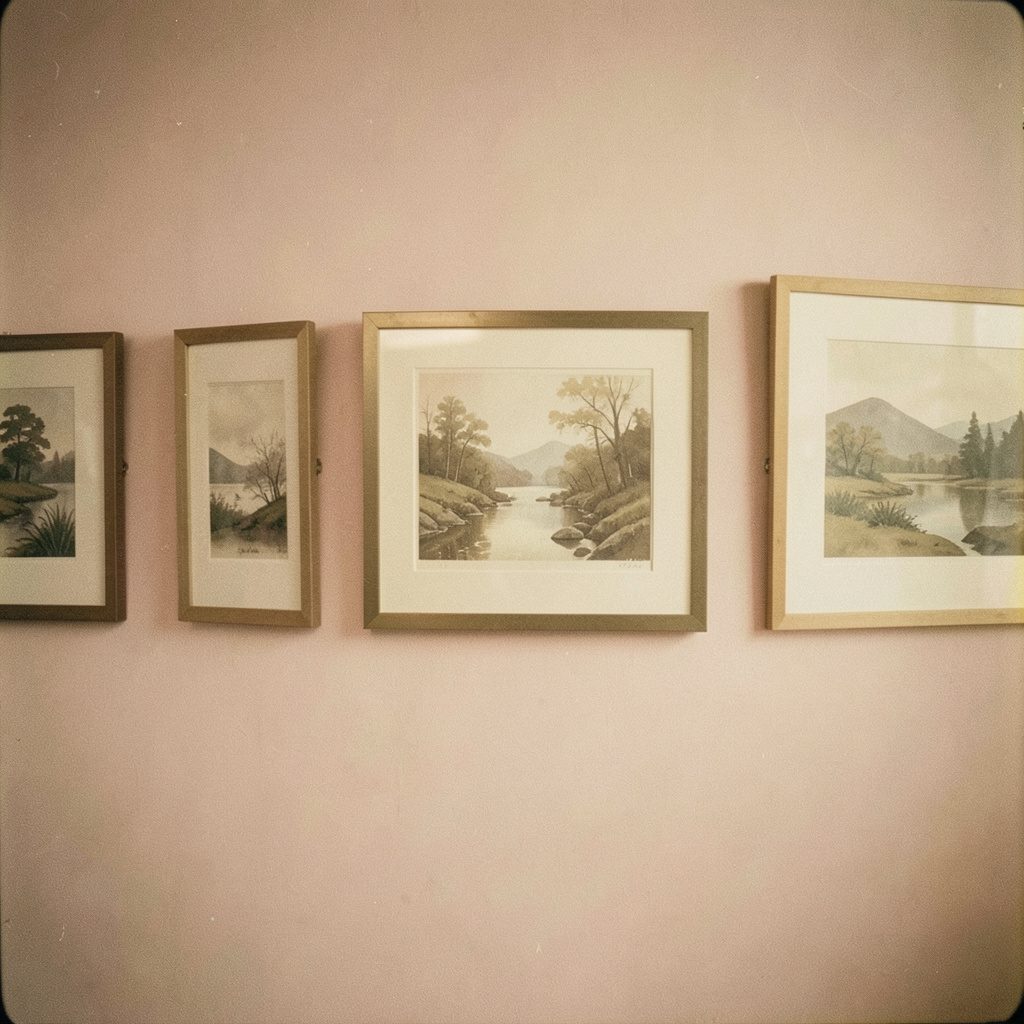
Watercolor Landscapes
Plein air and studio works on paper.
-
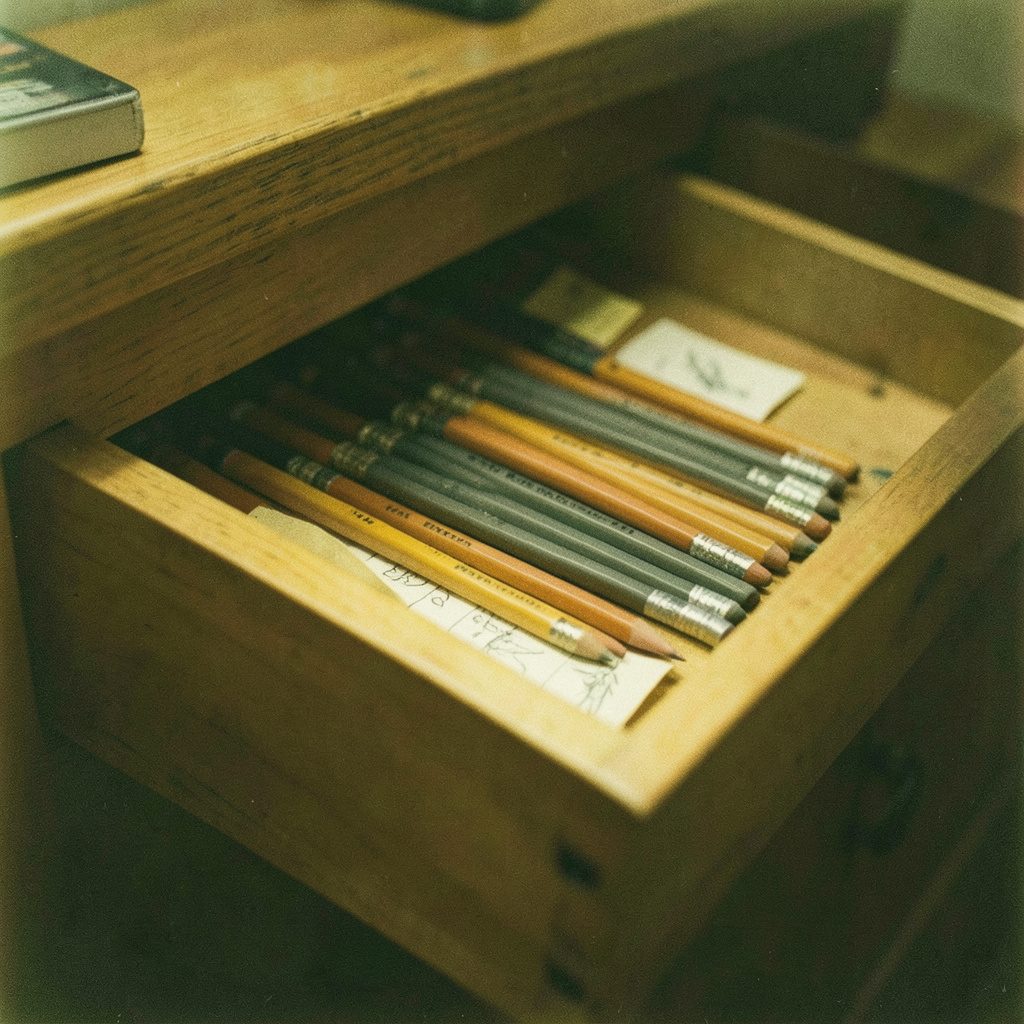
Preparatory Drawings
Sketches, studies, and working drawings.
-

Botanical Illustration
Plants documented through pigment and line.
-
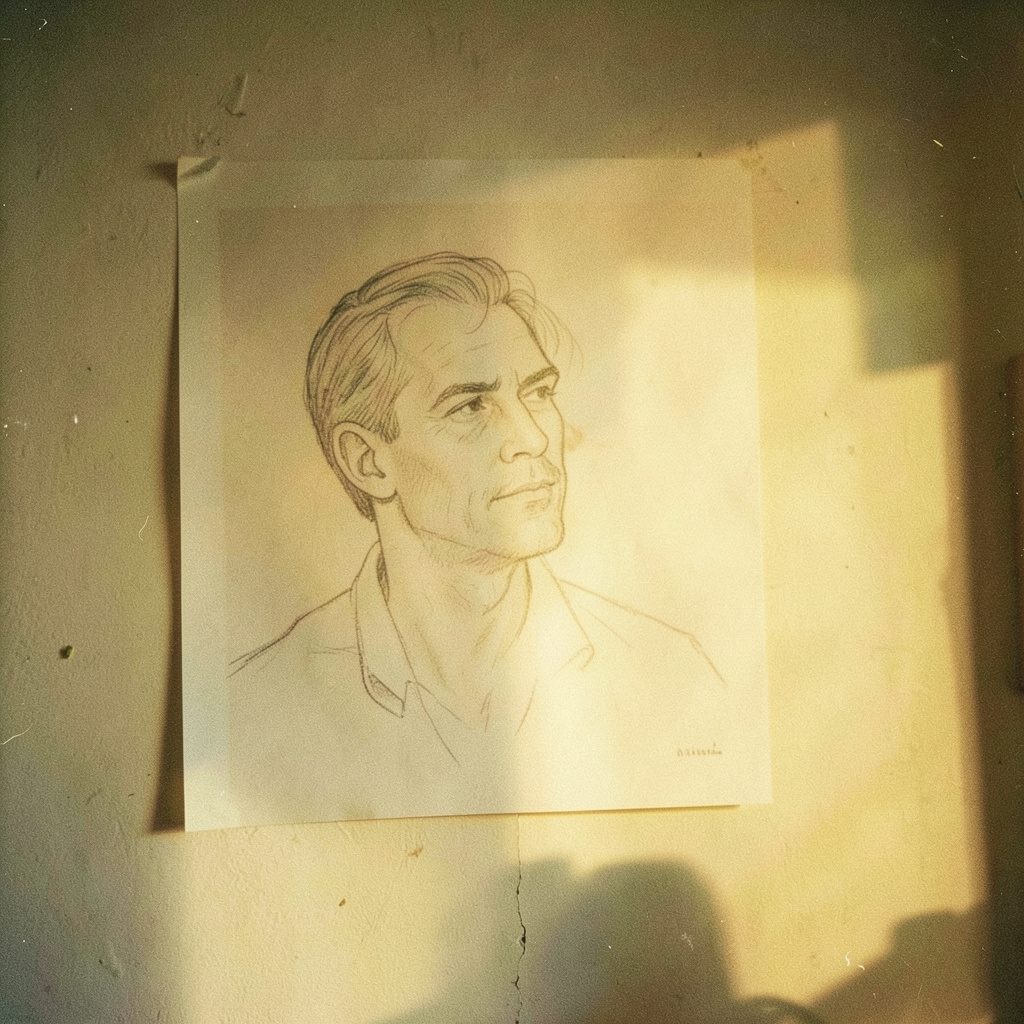
Figure & Portrait
Charcoal, ink, and graphite portrait studies.
For educators & researchers
Access the museum's library, study rooms, and digital archive of works on paper — including high-resolution scans and conservation notes.
Visit the archive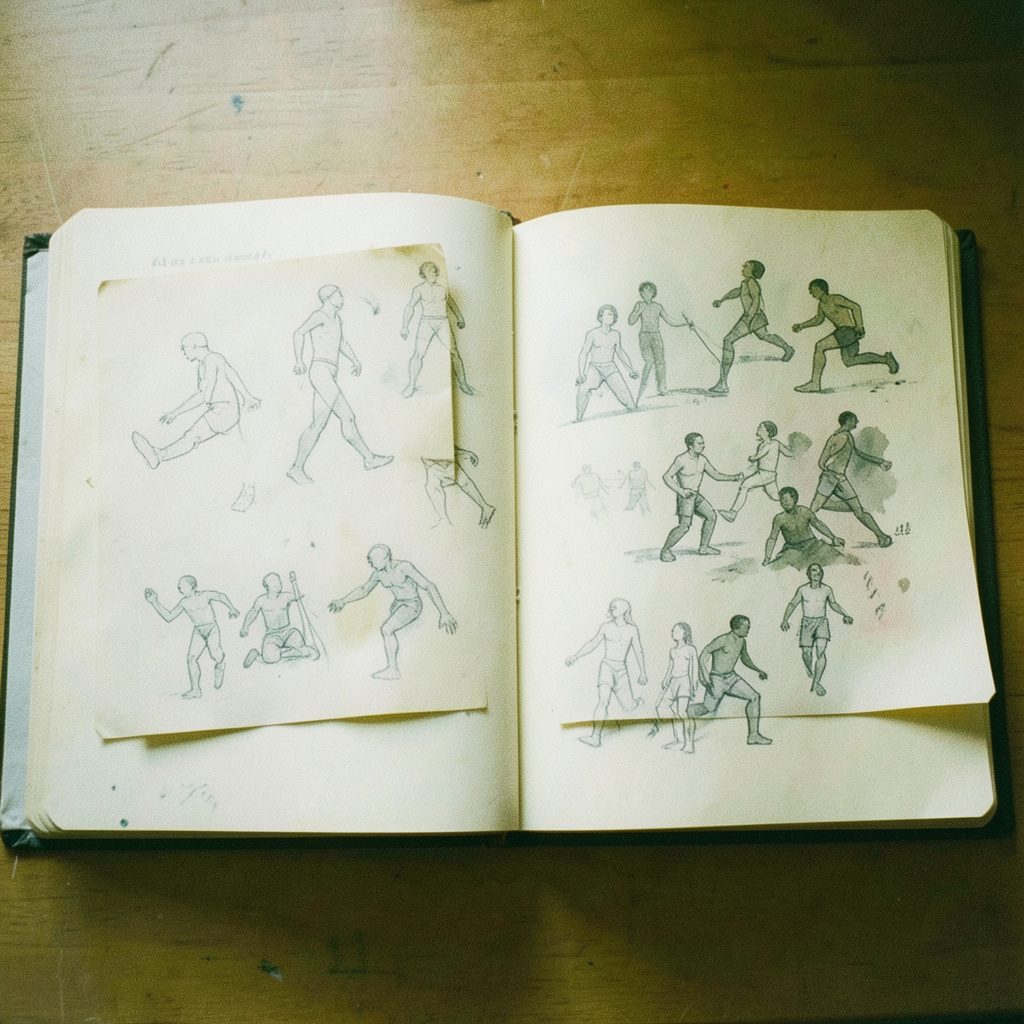
Highlights from the collection
A rotating selection of pieces currently on view, drawn from across the museum's holdings.
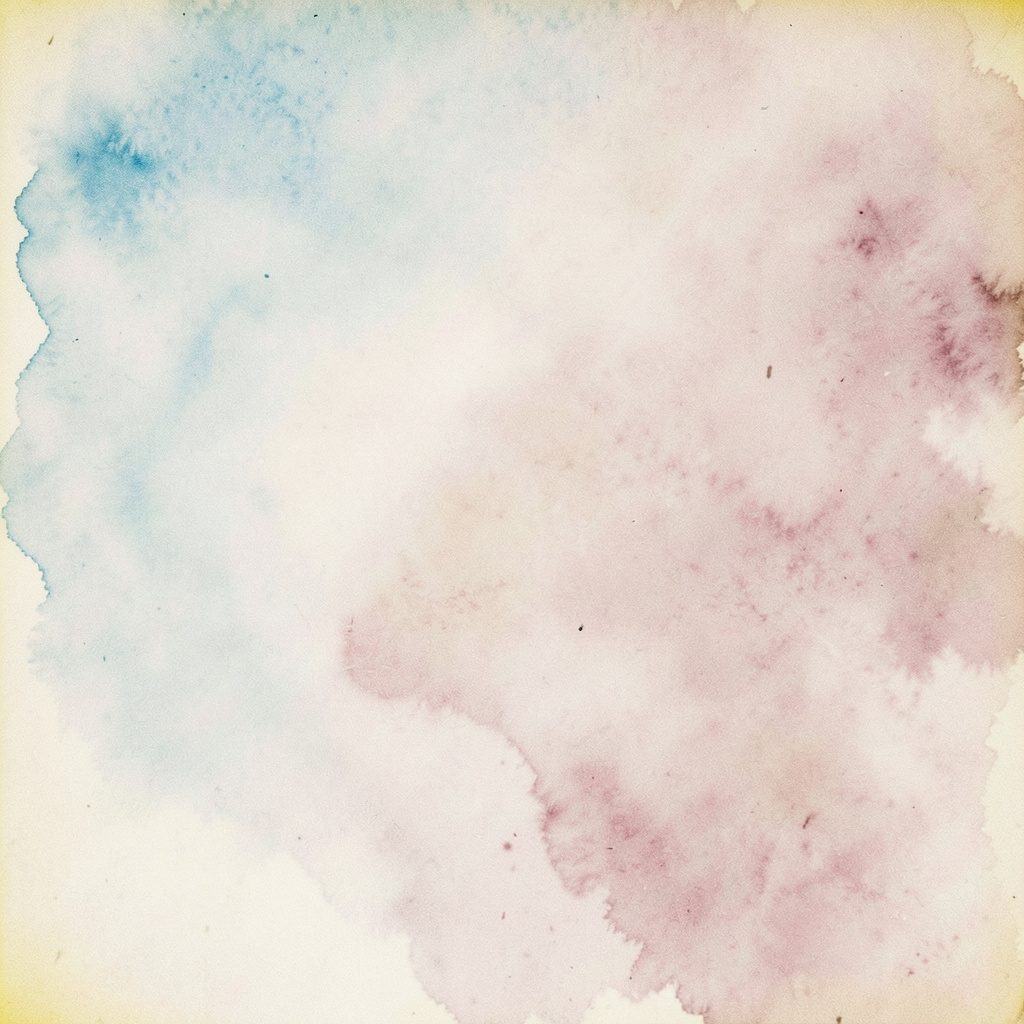
Untitled Wash Study
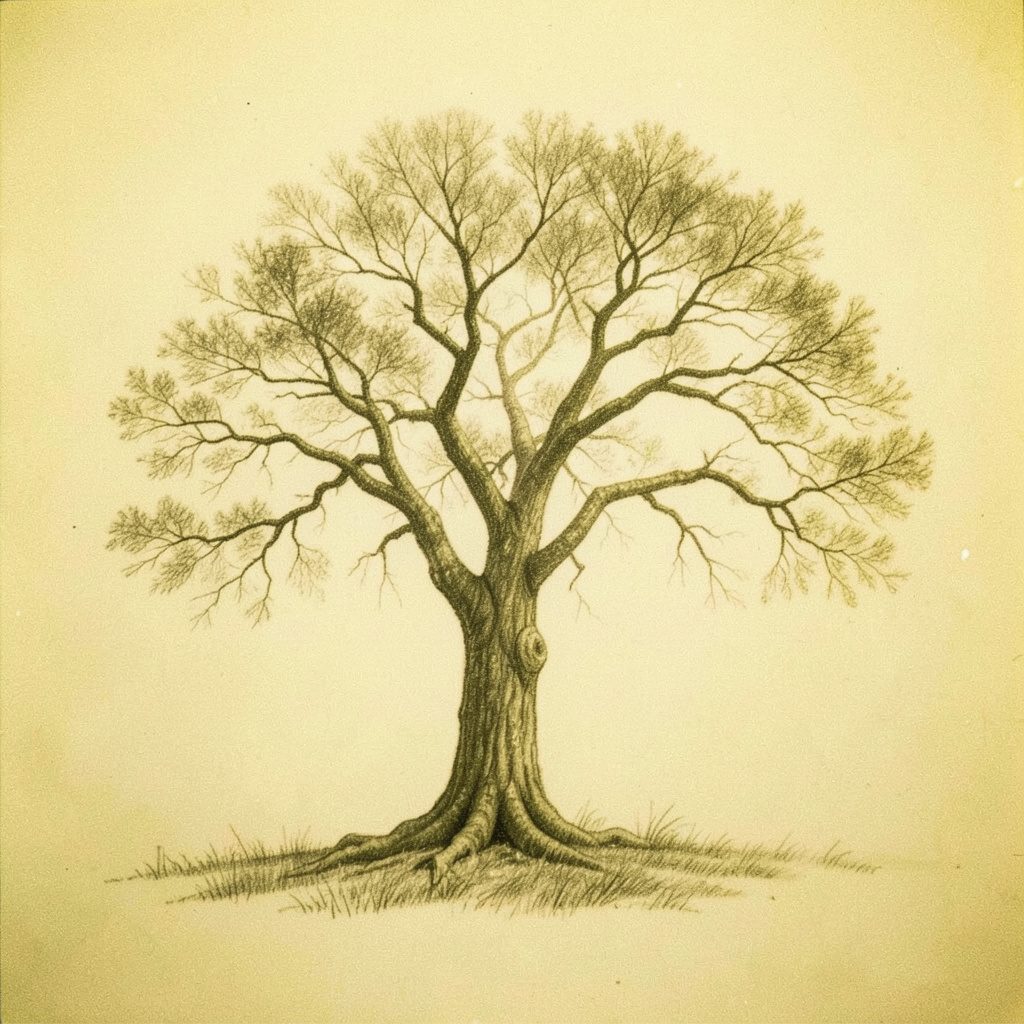
Tree, Charcoal Study
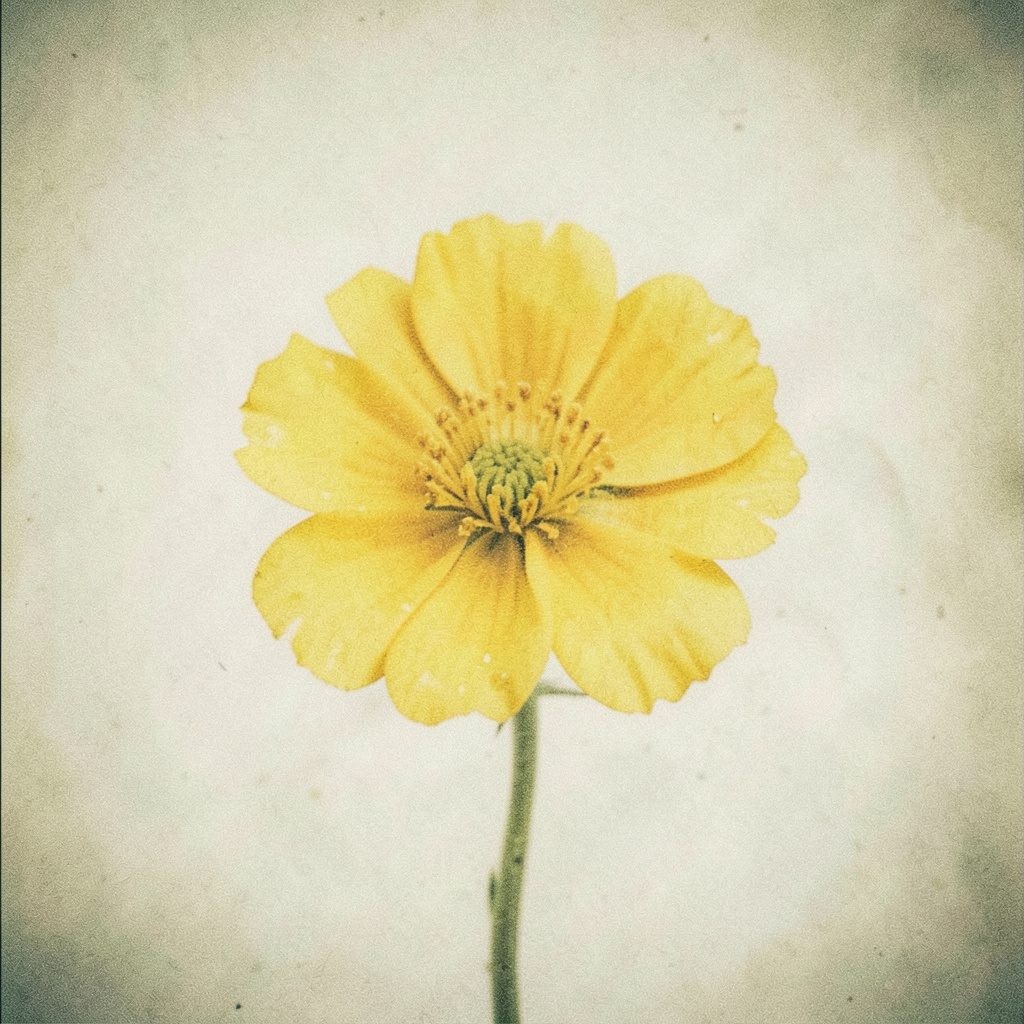
Yellow Camellia
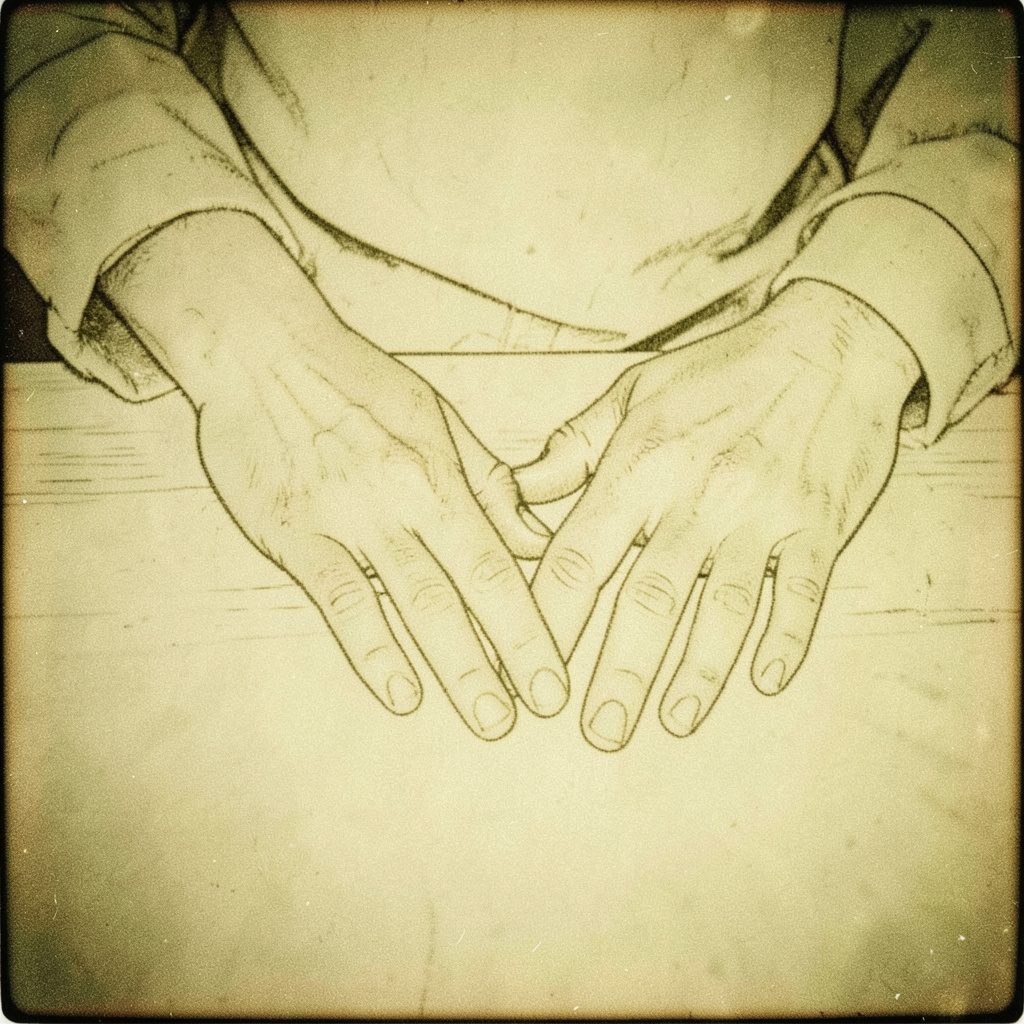
Study of Hands
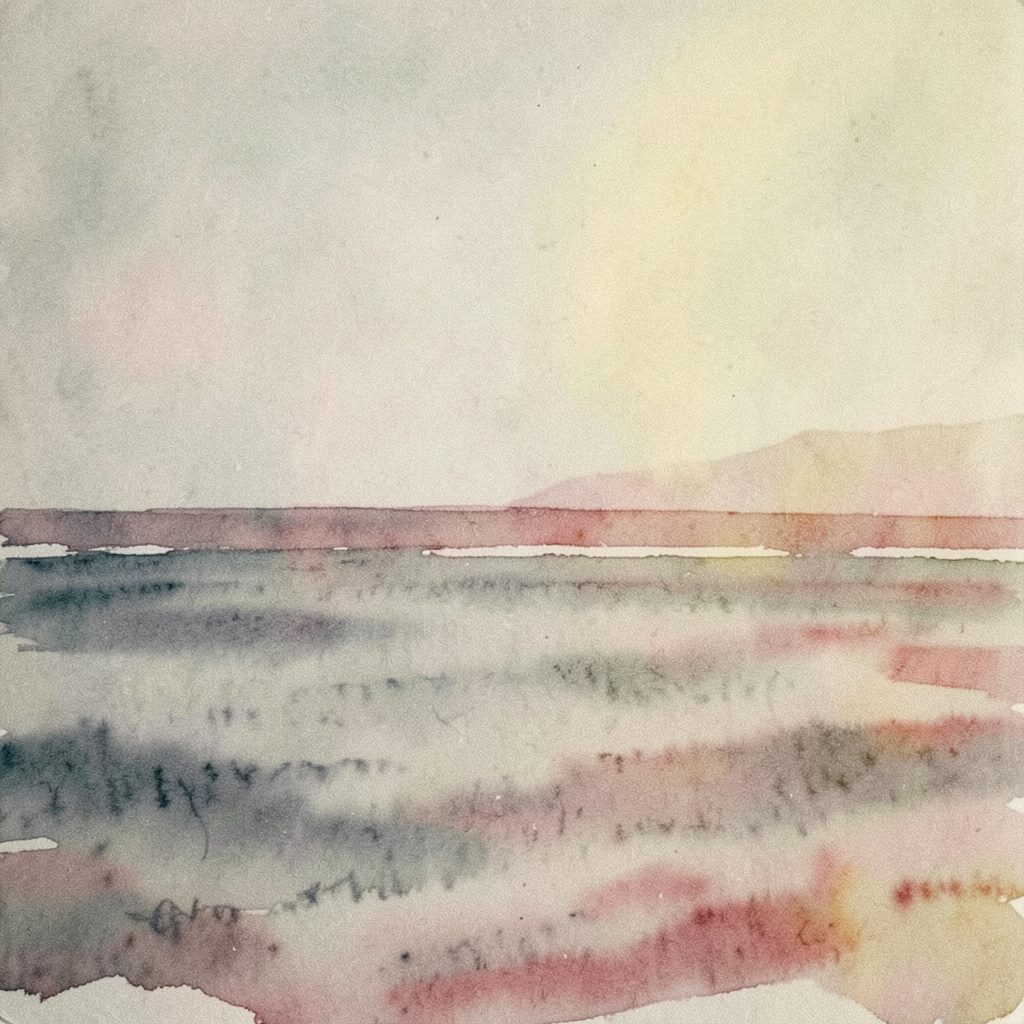
Coastal Sketch
Workshops on paper
Hands-on sessions in watercolor technique and observational drawing.
See the calendarBooks & catalogues
Titles published by or in collaboration with the museum, available in the shop and library.
-
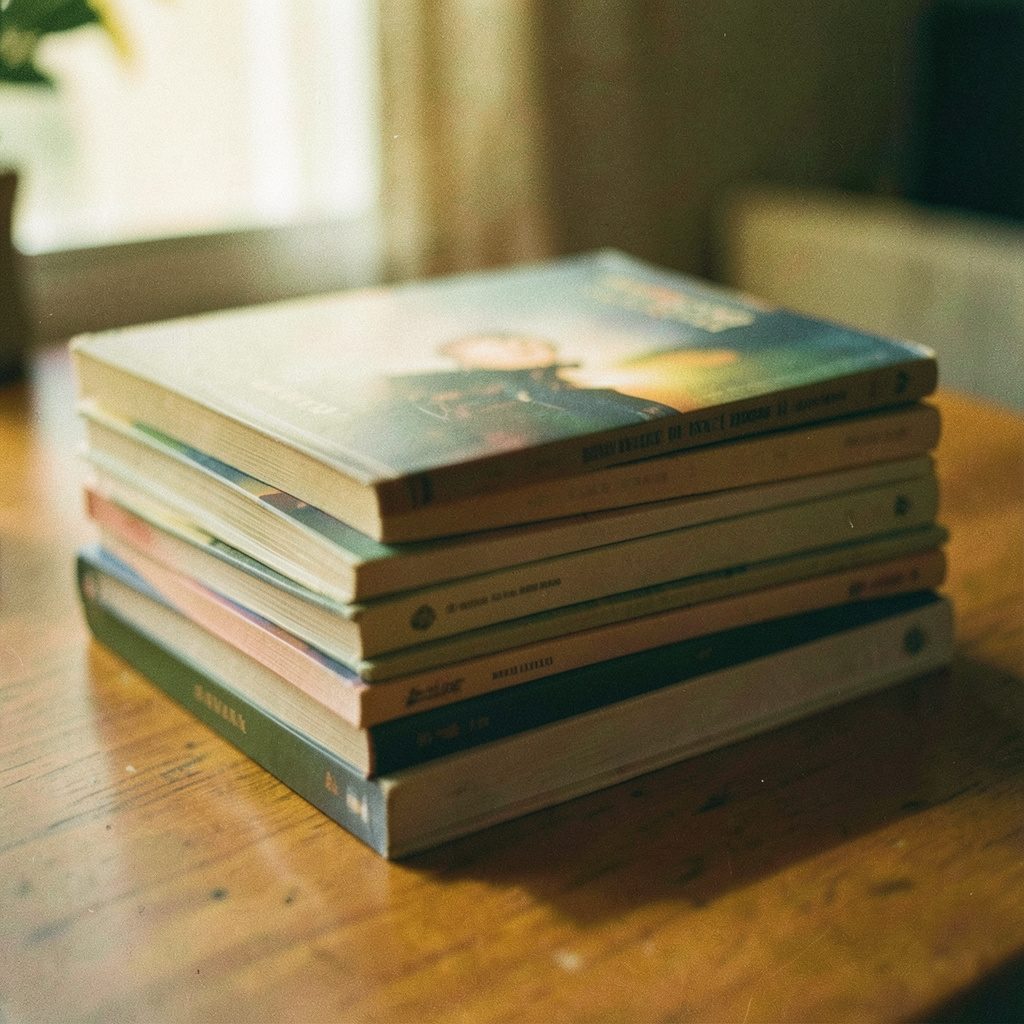
Watercolor Fundamentals
An introductory volume on pigment and paper.
-
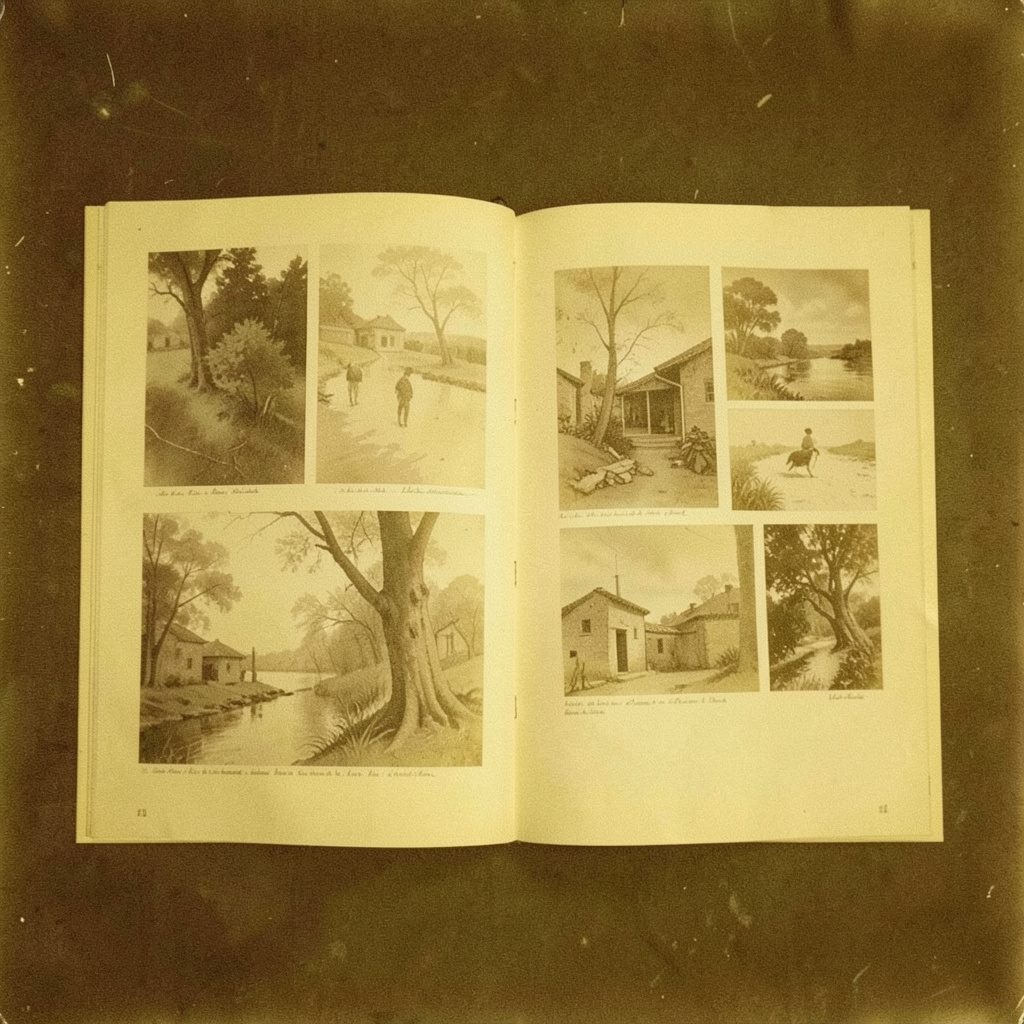
Exhibition Catalogue
Plates and essays from a recent show.
-
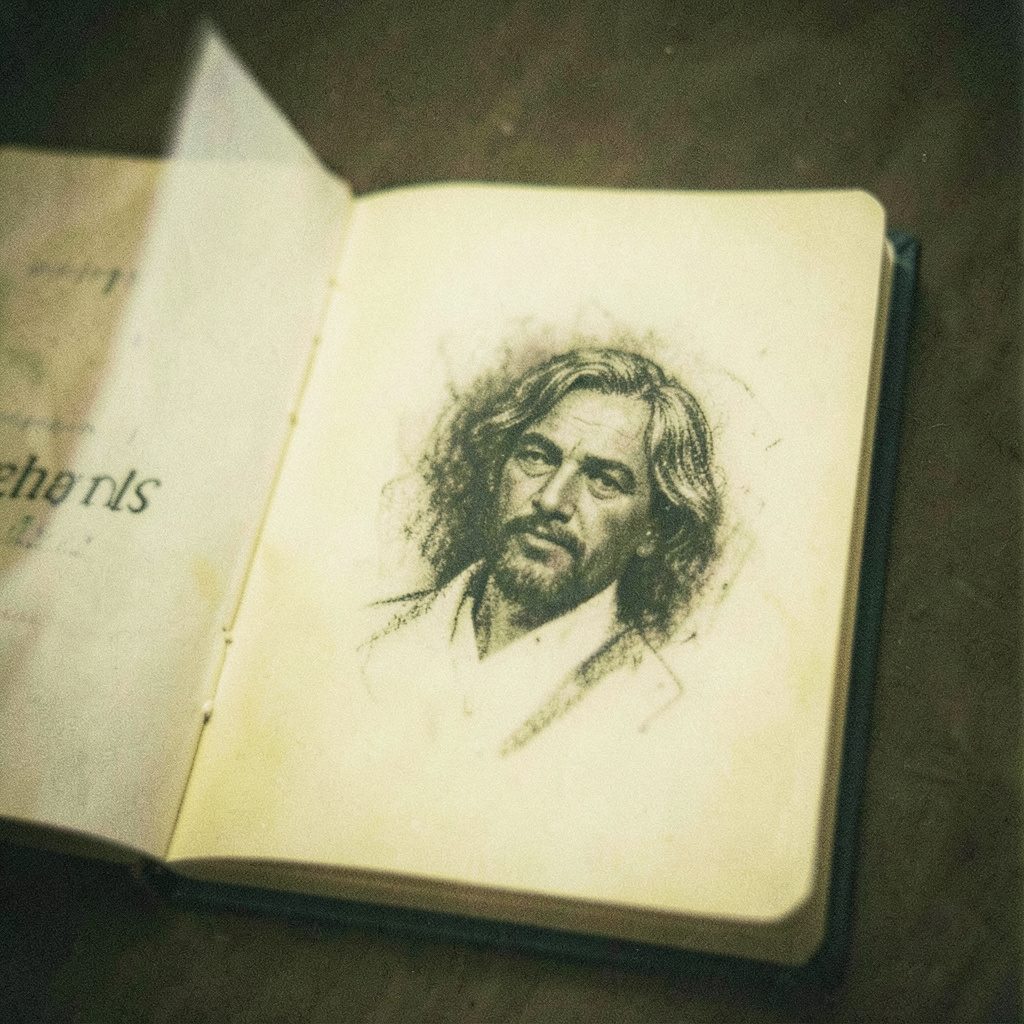
Drawing the Figure
Studies from the museum's archive.
-
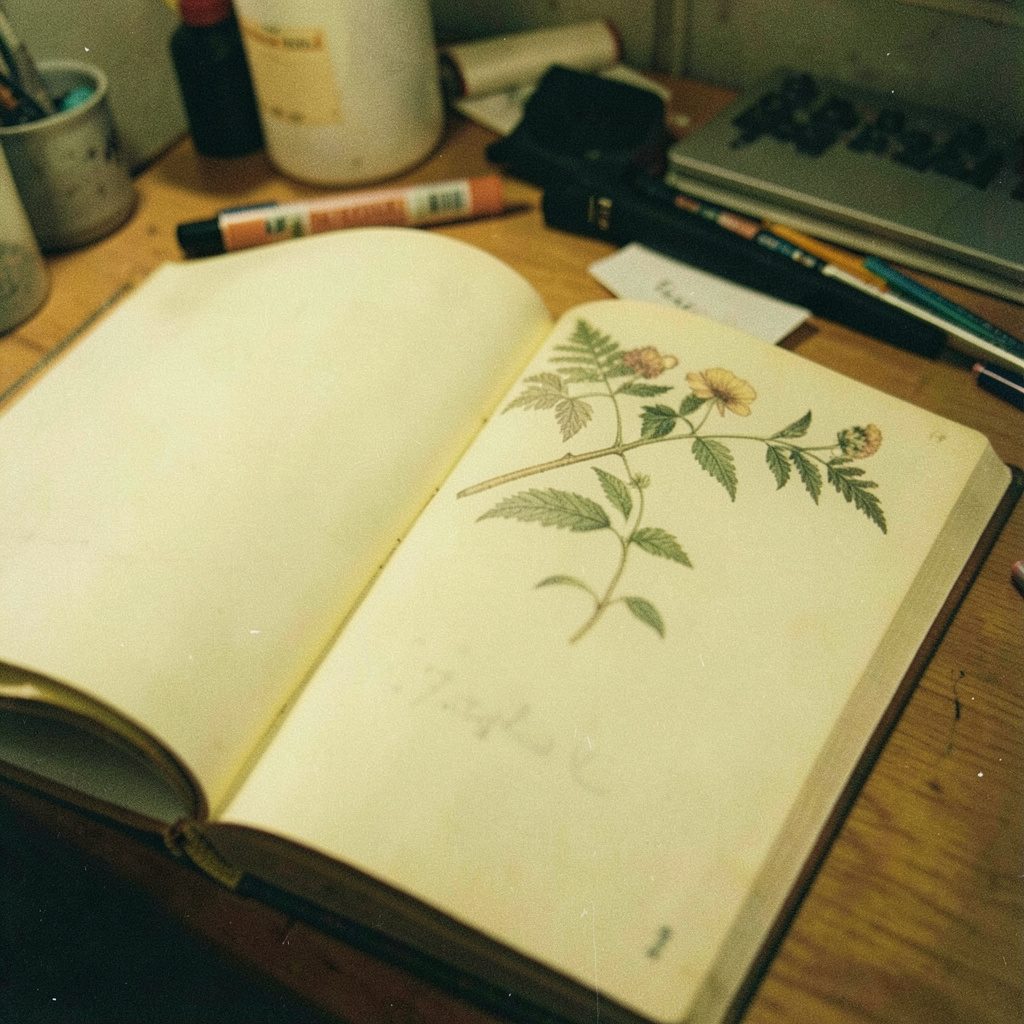
Botanical Impressions
Watercolors from the natural history collection.
Stay in touch
Subscribe to the museum's newsletter for exhibition announcements, event invitations, and weekly reflections on works on paper.
Perfettamente in sintonia con i temi del design d’interni, il nostro articolo sui pavimenti in cotto per case di campagna è un must per chi cerca calore e tradizione. Scopri tutte le idee e gli abbinamenti nel nostro speciale Pavimenti In Cotto Per Case Di Campagna: Idee E Abbinamenti. Il colore come linguaggio domestico è al centro di ogni progetto di interni contemporaneo. Una tavolozza ben costruita trasforma una stanza in un racconto visivo, dove pareti, arredi e complementi dialogano tra loro. Nelle case moderne il tono principale spesso resta neutro, per lasciare spazio a un accento caldo che cattura lo sguardo senza affaticarlo, proprio come un pigmento puro su carta bianca.
La cucina resta il cuore pulsante dell'abitare contemporaneo. Le soluzioni più attuali privilegiano linee pulite, piani di lavoro resistenti e un'organizione funzionale degli spazi, con aree dedicate alla preparazione, alla cottura e alla convivialità. Un lavello ben posizionato, pannelli verticali e pensili ben calibrati possono cambiare radicalmente l'esperienza quotidiana in cucina.
Quando si parla di cucine moderne, il colore bianco continua a interpretare un ruolo da protagonista. Superfici lucide o opache, ante lisce o con leggere texture creano atmosfere differenti, mantenendo una sensazione di ordine e luminosità. Il bianco si presta inoltre ad accostamenti con materiali naturali come il legno o la ceramica, per un equilibrio tra rigore e calore.
Nella zona pranzo il design si fa più morbido. Tavoli dalle linee essenziali, sedie ergonomiche e un'illuminazione studiata valorizzano i momenti di convivialità. Anche un piccolo angolo può diventare accogliente con una sospensione ben calibrata, un tappeto dalle tonalità armoniose e qualche dettaglio decorativo che racconta la personalità di chi abita lo spazio.
La zona notte merita attenzione particolare, soprattutto nella scelta del letto e dei sistemi di contenimento. Un letto con contenitore estraibile unisce comfort e praticità, liberando spazio prezioso. Armadi con ante scorrevoli o soluzioni a muro permettono di ottimizzare la camera, mantenendo un'estetica ordinata e silenziosa, ideale per il riposo.
Le librerie modulari rappresentano un elemento trasversale dell'arredo contemporaneo. Dalle versioni a parete a quelle angolari, consentono di organizzare libri, oggetti e ricordi con grande flessibilità. Una libreria ben progettata può diventare il segno distintivo di un ambiente, strutturando lo spazio senza appesantirlo e offrendo nuove possibilità compositive nel tempo.
La luce è uno strumento di progetto tanto quanto i materiali. Strisce LED sottopensile, lampade da lettura e punti luce direzionali permettono di modellare l'atmosfera di ogni stanza. Una corretta distribuzione luminosa esalta le texture delle pareti e dei mobili, contribuendo a creare ambienti che cambiano volto durante le diverse ore della giornata.
La qualità dei materiali è un investimento che si percepisce ogni giorno. Ceramiche, legni, vetri e metalli ben selezionati garantiscono durata e coerenza estetica nel tempo. Scegliere superfici resistenti e finiture curate significa ridurre la necessità di interventi successivi, costruendo una casa che mantiene nel tempo il proprio equilibrio formale e funzionale.
Trovare la casa di design giusta richiede tempo, ricerca e attenzione ai dettagli. Osservare gli ambienti, confrontare soluzioni, immaginare la vita quotidiana in uno spazio sono passaggi fondamentali. Una casa ben pensata è il frutto di scelte coerenti, in cui estetica e comfort si sostengono a vicenda e restituiscono ogni giorno una sensazione di benessere autentico.